Keeping your artificial grass in top shape requires simple, regular steps: remove debris, brush fibers, manage infill, clean spills, and handle pet waste. Drainage checks and routine inspections prevent damage and maintain safety. With consistent artificial turf maintenance, your lawn stays clean, soft, and visually appealing.
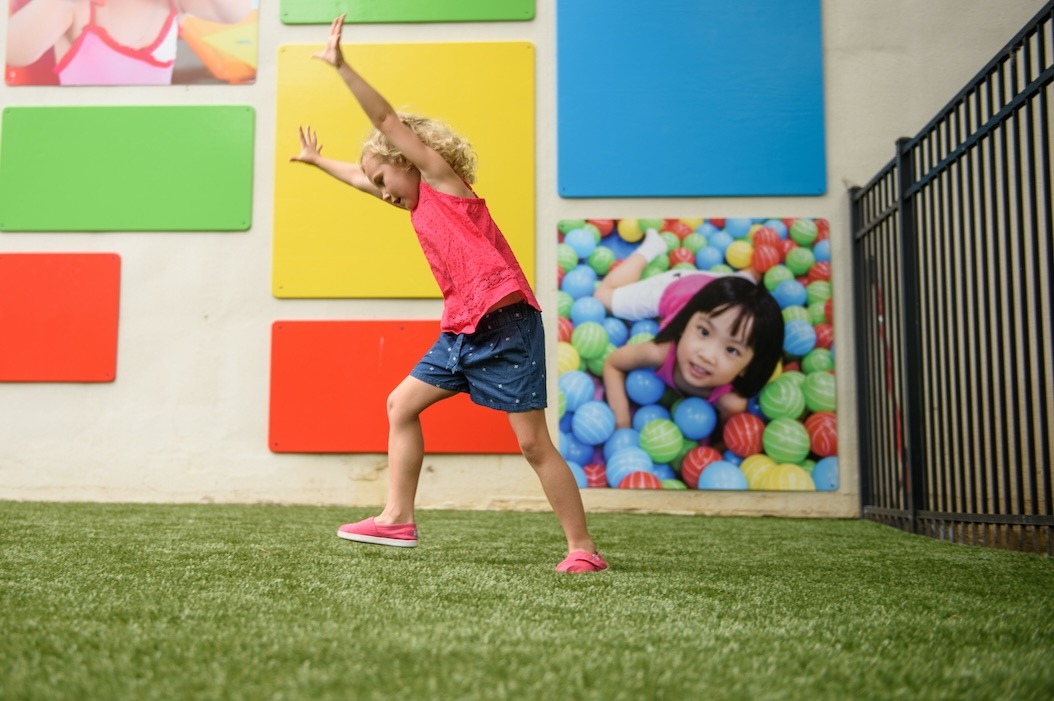
Artificial grass is one of the smartest investments you can make for a playground, pet area, or recreational space. It looks great year-round, holds up under heavy foot traffic, and saves you from the endless cycle of watering, mowing, and reseeding.
The average life of a playground made with artificial grass is around 8-10 years. While that’s true, this grass still requires regular maintenance. With a simple, consistent routine, your turf stays cleaner, safer, and more attractive for years to come.
We've worked with facilities across the country and have seen firsthand what separates a surface that lasts from one that doesn't. It comes down to care. Here's everything you need to know about artificial grass maintenance, broken down into easy steps you can actually follow.
1. Brush the Fibers Regularly
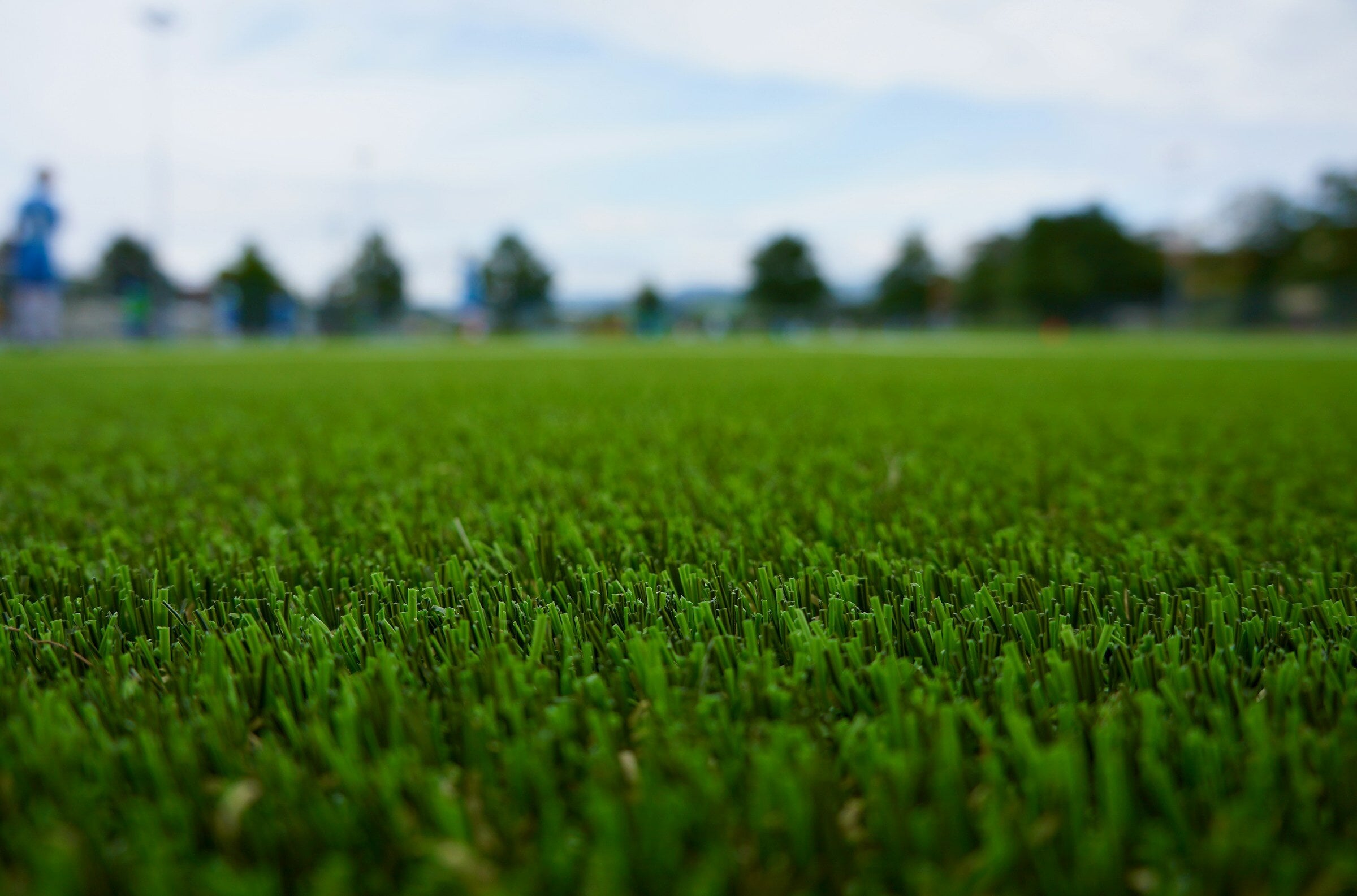
Over time, foot traffic flattens the blades of your artificial turf. Regular brushing keeps the fibers upright and the surface looking natural. Use a stiff-bristled broom or a power brush and work against the grain of the blades.
Even if you’ve invested in a premium-quality product like SprintPlay Optimum for your school or public playground, aim to brush at least once a week. If the usage is light, like in your lawn, bi-weekly artificial grass cleaning is fine. This one step makes a noticeable difference in how fresh and well-kept your turf looks.
2. Stay on Top of Debris Removal
When you install high-quality artificial grass like SprintPlay Elite in a playground or outdoor fitness area, leaves, twigs, dirt, and other debris will quickly settle into it. If left too long, this debris can block drainage, cause odors, and create a turf that feels less clean underfoot.
Use a leaf blower, a plastic rake, or a stiff brush to clear debris regularly. Avoid metal rakes as they can snag and pull at the artificial grass. Make two quick passes two to three times a week to keep things tidy without much effort.
3. Rinse the Surface Often
One of the easiest parts of artificial grass cleaning is also one of the most effective, which is rinsing. A regular simple rinse with a garden hose washes away dust, pollen, and light surface grime.
If you want artificial turf maintenance for a playground or outdoor fitness area where kids are active, a weekly rinse is a smart habit. If your turf gets heavy use or sits in a dusty environment, rinse more frequently. The built-in drainage systems in quality turf handle water efficiently, so you don't need to worry about runoff or pooling.
4. Deal with Spills and Stains Quickly
Whether it’s a playground or an outdoor fitness area, spills can happen anytime, ranging from juice, food, paint, to pet waste. Spills and stains are the enemies of artificial grass. When faced with this situation, the key to effective artificial grass cleaning is acting quickly.
For most liquid spills, blotting with a clean cloth followed by a rinse is all you need. However, if the stains are tougher, you’ll need to use a mild soap-and-water solution applied with a soft brush for cleaning artificial grass. Avoid harsh chemicals, bleach, or solvent-based cleaners. These can break down the fibers and damage the backing over time.
If you're working with an artificial grass system from SprintPlay, check our guidelines before applying any cleaning solution to the surface. Certain infill materials respond differently to cleaning products. So, it’s best to check the manufacturer’s instructions first.
5. Handle Pet Waste Properly
If your turf sees pet use, a slightly more specific artificial lawn maintenance is in order. Solid waste should be removed promptly and the area rinsed with plain water thoroughly. For urine, a regular rinse usually handles it, but odors can build up over time.
You can use a diluted white vinegar solution or an enzyme-based cleaner for neutralizing pet odors without harming the turf. SprintPlay K9 Deluxe is specifically designed with pet use in mind, but even the toughest artificial turf benefits from regular upkeep.
6. Keep Infill Levels in Check
Many artificial grass installations use an infill material, such as rubber, sand, wood fiber, or a combination, to support the blades, add cushioning, and improve performance. Over time, infill can shift, compact, or thin out in high-traffic zones.
As part of your artificial turf care, inspect the infill levels every few months. If you notice areas where the backing is visible or the surface feels noticeably firmer, it's time to top off the infill. Maintaining proper infill levels directly affects safety, especially on playgrounds where fall protection matters.
7. Inspect for Damage and Wear
Artificial lawn maintenance isn't just about cleaning; it's also about catching small issues before they become bigger problems. Walk the surface periodically and look for:
-
Seams that are lifting or separating
-
Edges that have pulled away from borders
-
Areas where fibers look matted, worn, or discolored
-
Any tears, cuts, or punctures in the turf
Most minor repairs are straightforward when caught early. Waiting too long usually means a more involved fix. As mentioned, most artificial grasses come with an average lifespan of around 10 years, but regular inspection helps you get the most out of every year of that coverage.
8. Avoid Heat Sources and Sharp Objects
Artificial grass holds up beautifully against weather, UV exposure, and wear, but it does have vulnerabilities. Keep open flames, grills, fire pits, and cigarettes well away from the surface. Synthetic fibers can melt or scorch under direct heat.
Sharp objects like metal stakes, tools, or heavy furniture with pointed legs can puncture or tear the turf. Use furniture pads where needed and be mindful of what gets dragged across the surface.
Regular Artificial Lawn Maintenance Pays Off
Artificial grass maintenance doesn't have to be complicated or time-consuming. You need a consistent routine with brushing, rinsing, and cleaning spills promptly. Additionally, you must keep an eye on infill and wear. That’s genuinely all it takes to keep your turf looking and performing at its best for years.
Whether you're managing a school playground, a community recreation area, or a backyard space, good artificial turf care protects your investment and keeps the surface safe and welcoming.
At SprintPlay, that's exactly what we're here to support. We provide durable, high-quality artificial grass solutions that work hard and last long, without demanding a lot from you in return.
Need artificial grass for your playground, lawn, or outdoor recreational area? Let’s talk!
Frequently Asked Questions
How often should I clean my artificial grass?
You should remove leaves, dirt, and debris weekly. High-traffic areas may need brushing more frequently to keep fibers upright.
Can I use regular cleaning products on artificial turf?
Yes, mild detergents or a water-vinegar mix work well. Avoid harsh chemicals that could damage fibers or affect color.
How do I manage pet waste on artificial lawns?
Pick up solid waste immediately and rinse the area with water. Use a pet-safe disinfectant to control odors and bacteria.
Does artificial grass need infill maintenance?
Yes, infill supports fibers, improves drainage, and cushions the surface. Brush the turf periodically and redistribute or add infill as needed.
.png)