Summary: Artificial grass fields typically last about 8 to 15 years, depending on turf quality, field usage, installation, maintenance, climate, and drainage. Heavy traffic, frequent cleated play, and concentrated wear can shorten a field’s lifespan, while high-quality turf, professional installation, proper drainage, regular brushing, infill management, and timely repairs can help extend it. A field should not be replaced based on age alone. Signs such as matted fibers, uneven infill, damaged seams, poor drainage, reduced traction, and increasing repair costs can indicate that replacement is approaching.
Key Takeaways
- Artificial grass fields typically last 8 to 15 years, depending on use, turf quality, installation, maintenance, and climate.
- Heavy traffic, cleated sports, and repeated use in the same areas can shorten a field’s lifespan.
- High-quality fibers, strong backing, proper drainage, and professional installation help turf perform longer.
- Regular maintenance like brushing, debris removal, infill checks, and drainage inspections prevents small issues from becoming costly repairs.
- Warning signs such as matted fibers, uneven infill, visible seams, poor drainage, or traction changes should be addressed early.
- A warranty does not equal the field’s actual lifespan; real-world durability depends more on use, care, and installation quality.
- Replacement should be based on field performance, safety, drainage, repair costs, and overall wear rather than age alone.
- Choosing the right turf system for the application and maintaining it consistently can add years of dependable play.
Most artificial grass fields last somewhere between 8 and 15 years, and well-built, well-cared-for fields can sometimes go even longer. The exact number depends on how much your field is used, the quality of the turf, how well it was installed, how consistently you maintain it, and the weather and traffic it faces year after year.
If you're planning a new field or wondering whether your current one has time left, you're in the right place. In this guide, we'll walk you through what affects the lifespan of artificial grass fields, how to protect your investment, and how to recognize when it's time for a change.
Quick Answer: Most artificial grass fields last about 8–15 years, but actual lifespan depends on use, turf quality, installation, maintenance, and climate.
How Long Do Artificial Grass Fields Typically Last?
Properly installed artificial grass fields made with quality materials can deliver close to a decade of reliable play (sometimes even more). Still, no single lifespan applies to every surface, because each field faces a different mix of use, climate, and care. Two fields with identical turf can age at very different rates if one hosts daily practices and the other sees a few casual games a week.
Good to Know: A turf warranty and its actual service life are not the same thing. A well-maintained field can perform differently from the warranty period.
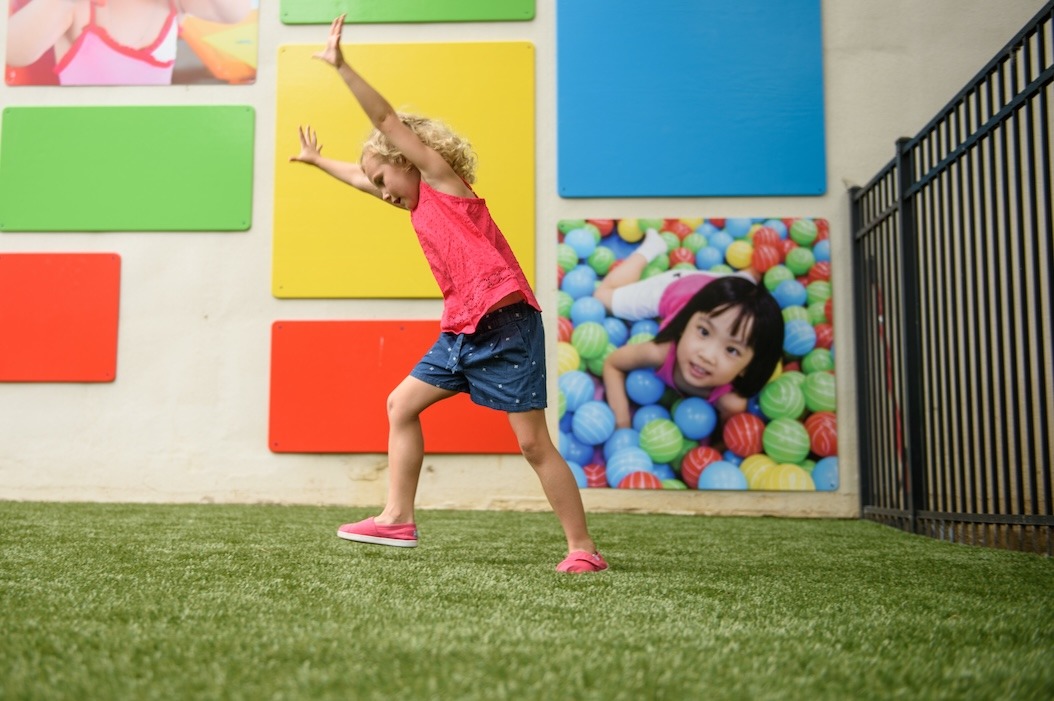
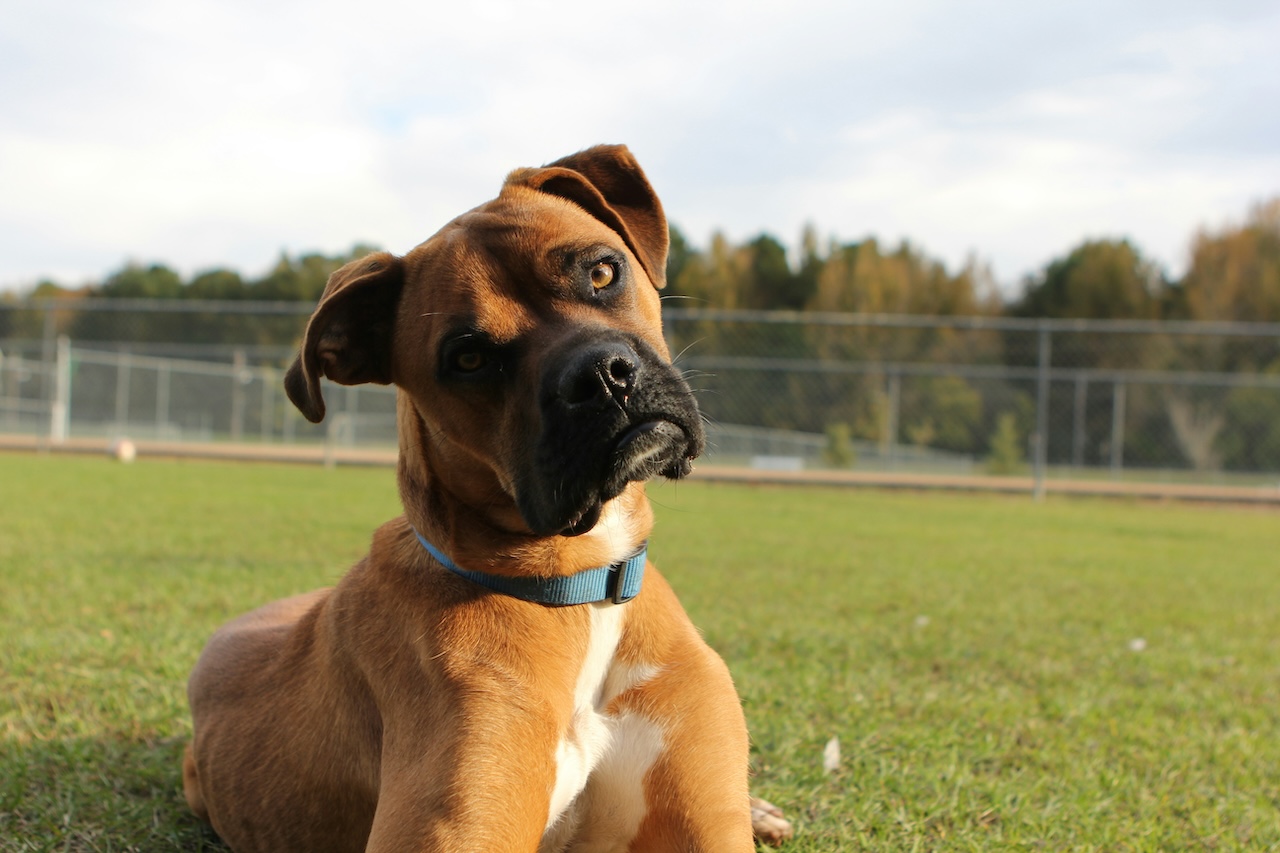
High-use athletic artificial grass fields sit at one end of the spectrum. More often than not, daily practices, league games, and tournaments concentrate wear in goal mouths, center fields, and sideline areas. Lower-use recreational spaces, such as park lawns, dog parks, or school green spaces, get lighter and more scattered traffic, so they typically wear more slowly.
Turf systems engineered for long-term performance meet these demands with durable fibers, cushioned bases, and engineered drainage backing. Those components give a field a stronger starting point. Use and maintenance still determine how much of that potential the artificial grass field reaches.
What Determines the Lifespan of Artificial Grass Fields?
Five factors have the biggest influence on how long artificial grass fields stay in service. Each one can extend or shorten your field's useful life.
1. Amount and Type of Field Use
Every practice, game, tournament, and community event adds wear. A field used for morning physical education classes, afternoon team practices, and evening rentals adds up hours quickly. How the field is used counts as much as how many hours it gets:
- Repeated drills in the same spot wear fibers faster than play spread across the surface.
- Cleated sports put more stress on fibers than casual recreation.
- Back-to-back tournament weekends leave little time for brushing and infill redistribution.
Keep in Mind: The same turf can wear at different rates depending on how often the field is used and where players repeatedly create concentrated traffic.
2. Turf Fiber Quality
How a fiber is made largely determines how well turf stands up to repeated use. Thicker, stronger fibers resist splitting, flattening, and breaking under cleats and constant foot traffic. Higher-quality fibers also retain their color and resilience longer in the sun.
Fiber thickness is measured in microns. Multi-sport systems, such as the Play Zone Multi-Sport, are designed for high-traffic sports and recreation environments. They come with 120+ micron fibers and 40% higher tensile strength. In other words, when comparing products, ask about fiber thickness, fiber type, and UV resistance.
Pro Tip: When comparing turf systems, look beyond appearance. Ask about fiber strength, UV resistance, backing, drainage, and the field’s intended level of use.
3. Installation Quality
Even premium turf underperforms on a weak foundation. A sound installation includes:
- Base preparation: A compacted, properly graded base prevents low spots, ripples, and uneven wear.
- Correct techniques: Proper stretching and securing keep the turf from shifting or wrinkling.
- Seams and edges: Tight, well-glued seams and secured edges resist lifting and separation.
- Drainage: A base and backing that moves water efficiently prevents standing water and base erosion.
Poor installation shortens field performance in ways maintenance can't fully fix. Seams that open, a base that settles, or drainage that fails can lead to early repairs or premature replacement.
Good Point: Even high-quality turf can underperform when the underlying base, seams, or drainage system is poorly installed.
4. Maintenance
Maintenance decides whether a field reaches its expected lifespan. Even the Synthetic Turf Council (STC) also recommends routine brushing, debris removal, infill management, cleaning, and drainage checks to support longevity. When you skip those tasks, small issues compound. Matted fibers wear faster, compacted infill hardens the surface, and clogged drainage weakens the base. Consistent artificial turf maintenance keeps wear even and catches damage while repairs are still small.
Pro Tip: Maintenance needs should be based on field usage, not just a calendar. Heavier-use fields generally require more frequent grooming and inspections.
5. Weather and Environmental Conditions
Climate affects turf every day of the year:
- UV exposure: Strong sun can fade and weaken fibers over time.
- Heat and freezing temperatures: Temperature swings stress fibers and backing materials.
- Rain and moisture: Heavy rain tests drainage and can wash infill out of place.
- Drainage: Fields that drain slowly are prone to base erosion and an unstable surface.
Weather-resistant turf with UV-stabilized fibers and engineered drainage backing helps a field keep performing in harsh climates.
Quick Tip: Pay extra attention to high-traffic areas such as goal mouths, sidelines, and other locations where repeated activity concentrates wear.
How Maintenance Helps Artificial Grass Fields Last Longer
If there's one habit we'd encourage you to build, it's a regular care routine. Consistent artificial grass maintenance keeps small issues small and helps your field perform like new for longer. Here's what we recommend:
|
Task |
Suggested Timing |
Purpose |
|---|---|---|
|
Brush high-traffic areas |
Weekly during heavy use |
Lift fibers and spread wear |
|
Remove leaves, dirt, and debris |
Before use or as needed |
Protect fibers and drainage |
|
Monitor infill levels |
Monthly |
Maintain cushioning and footing |
|
Check drainage |
After heavy rain |
Catch pooling early |
|
Clean spills and contaminants |
As soon as noticed |
Prevent stains and odors |
|
Inspect seams and damaged areas |
Quarterly |
Find trip hazards and tears |
Watch For: Flattened fibers, uneven infill, open seams, standing water, and changes in traction can indicate that a field needs professional attention.
Signs Your Artificial Grass Field May Need Attention
Routine walk-throughs help staff spot wear on artificial turf fields early. Watch for these warning signs:
- Flattened or matted fibers
- Uneven infill distribution
- Visible seams
- Tears or damaged sections
- Poor drainage or standing water
- Excessive surface wear
- Changes in ball roll or traction
- Areas showing significantly more wear than the rest of the field
Spotting one of these doesn't mean your field is finished. Often, a quick brushing, an infill top-up, or a small repair is all you need. The key is to notice it early and respond.
Artificial Grass Field Lifespan vs. Warranty
It's easy to assume that a warranty length equals how long your artificial turf field will last, but they measure different things. A warranty typically covers specific manufacturing defects for a set period. It doesn't promise that your field will look and perform perfectly for exactly that long, and it doesn't usually cover wear from heavy use or damage from poor care.
That's why maintenance and proper installation matter so much. They help you stay in good standing with your warranty and, more importantly, help your field perform well beyond it. At SprintPlay, we provide an 8-year limited warranty on our turf products, giving you added peace of mind as you plan your investment.
How Different Applications Affect Turf Lifespan
Not every field is asked to do the same job, and that determines how long it lasts. For example, a school field with daily physical education classes, team practices, and weekend games faces different demands than a community park with casual play. Here's a table showing how artificial grass fields wear over time.
|
Application |
Typical Use |
Wear Level |
Main Lifespan Factor |
|---|---|---|---|
|
Schools |
PE classes, recess, team practices, games |
High |
Daily, year-round traffic |
|
Community parks |
Casual play, youth leagues, events |
Medium |
Spread-out but varied use |
|
Recreation centers |
Programs, camps, rentals |
Medium to high |
Long scheduled hours |
|
Professional sports complexes |
Training, competition, tournaments |
Very high |
Intense cleated play |
The more intense and frequent the activity, the more important it is to choose turf built for that environment. That's why schools, sports arenas, and playgrounds benefit most from heavier fibers and frequent maintenance.
How to Extend the Life of an Artificial Grass Field
The good news is that you have a lot of control over how long your artificial turf field lasts. Here are a few smart choices that make a real difference:
- Choose turf engineered for the intended application.
- Invest in professional installation.
- Follow manufacturer maintenance recommendations.
- Keep drainage functioning properly.
- Monitor high-traffic areas.
- Maintain appropriate infill.
- Schedule regular inspections.
- Repair minor issues before they become larger problems.
None of these steps has to be overwhelming. Start with what feels manageable, build a routine, and your field will thank you with years of reliable play.
Important: Field age alone should not determine replacement. Evaluate safety, performance, drainage, fiber condition, infill, and repair needs together.
When Should an Artificial Grass Field Be Replaced?
Age alone shouldn't decide when an artificial grass field is replaced. A ten-year-old field that's been well maintained may still have plenty to offer, while a younger field that's been neglected might need attention sooner. What matters most is how the field looks, feels, and performs today.
When you're evaluating artificial turf replacement, consider these questions:
- Are the fibers worn down even after brushing and infill care?
- Is there significant damage that repairs can't solve?
- Does water keep pooling despite your best efforts?
- Has the surface lost the traction, cushioning, or consistency you rely on?
- Is wear widespread rather than limited to a few spots?
- Are you spending more and more on fixes?
You'll also want to consider whether resurfacing or partial replacement makes sense. Sometimes replacing only the worst areas, such as heavily used zones, is a practical way to extend your field's life and manage costs. A professional assessment can help you decide whether you need an artificial turf replacement.
Pro Tip: Start planning for eventual replacement before the field reaches the end of its useful life. Tracking repairs and field conditions can make budgeting easier.
Frequently Asked Questions
Q: Can heavy use shorten the life of artificial turf fields?
Yes, heavy use is one of the main causes of faster wear. Artificial turf fields that host daily practices and frequent tournaments need more brushing, infill checks, and inspections to reach their expected lifespan.
Q: Should a turf field be cleaned with a pressure washer?
Use only low pressure, if any. High pressure can displace infill, loosen seams, and damage the backing. For most artificial grass maintenance tasks, a garden hose and mild soap work better.
Q: Can a damaged section be repaired without replacing the whole field?
Yes, in most cases. Trained technicians can cut out the damaged area and seam in matching turf, as long as the base and drainage underneath are in good condition.
Q: Does a longer warranty mean the turf will last longer?
Not necessarily. Warranties reflect a manufacturer's confidence in its product. Installation quality, how much the field is used, and maintenance have a bigger effect on real-world lifespan.
Q: How should a facility budget for artificial turf replacement?
Start planning several years before the field reaches the end of its expected service life. Tracking condition and repair costs each year shows when artificial turf replacement is approaching and gives decision-makers time to secure funding.
Invest in a Long-Lasting Artificial Grass Field
The lifespan of your field comes down to a handful of factors you can influence, including how it's used, the quality of the turf, the care taken during installation, and the attention you give it afterward. When quality + installation + maintenance + appropriate use work together, you set your field up for years of dependable performance.
If you're ready to take the next step, you don't have to figure it out alone. At SprintPlay, we provide high-quality, long-lasting surfacing solutions to schools, public grounds, and other recreational facilities.
Contact us today to discuss artificial grass field solutions for your facility.